Author Margaret Dowland and Nancy Rayner
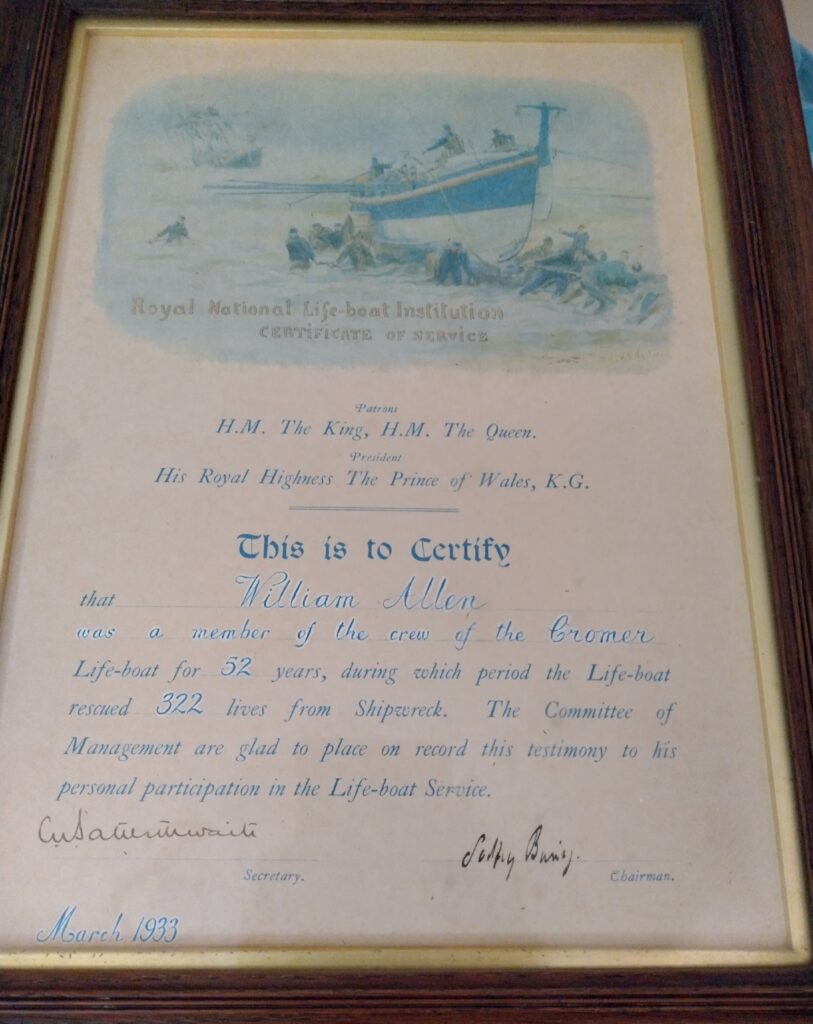
Born in Cromer in 1858 to William and Elizabeth Allen he was one of four children. He was a fisherman as was his father. He married Elizabeth Peck in 1881 and they had five children of whom sadly one died. William, Laura, John and Fred.
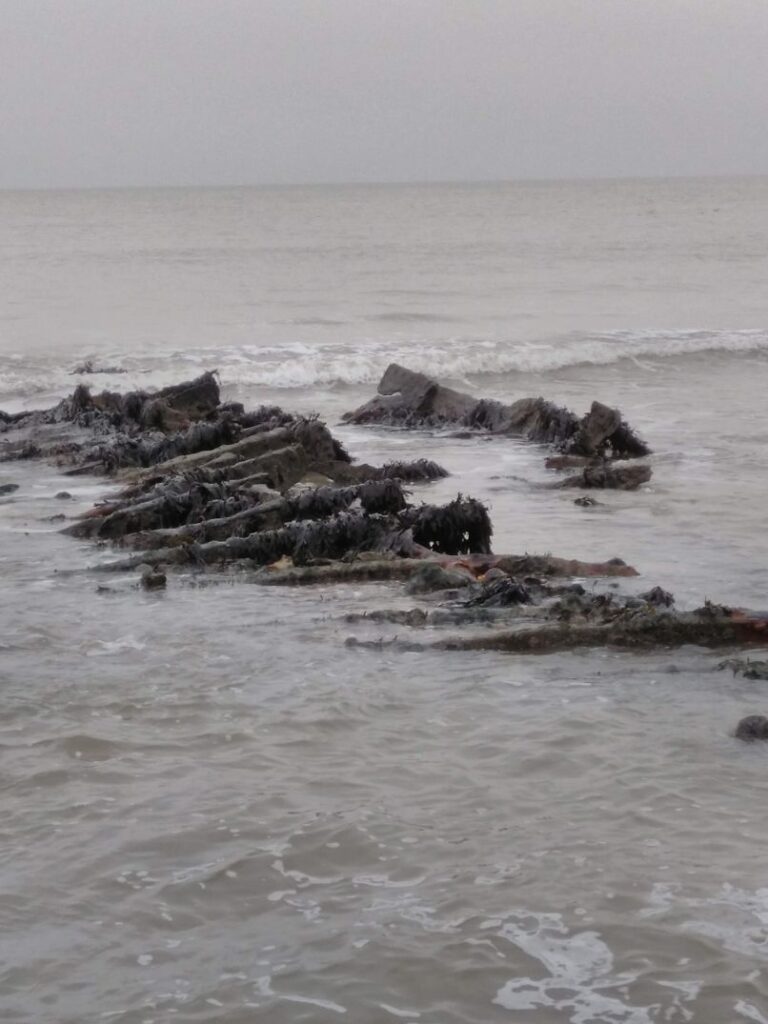
Not only was William a fisherman but he was also a member of the RNLI. He served with the Cromer lifeboat station for 52 years. He was a crew member on board the Louisa Heartwell. Her and his most famous rescue took place on the 9th and 10th of January 1917. The Coxswain was legendary Henry Blogg. They went to the assistance of the Swedish steamer SS Fernebo after it had hit a mine and broken in two. The lifeboat had only just returned from a service to the Greek ship Pyrin which had run out of control two miles offshore, where they saved the 16 crew members. The lifeboat crew undaunted by their previous exertions (the lifeboat was oar powered), tried once more to launch into heavy surf assisted by forty men including troops, many up to their necks in water. The lifeboat was driven back onto the beach. Several more unsuccessful attempts were made in the process of which they broke five oars and lost three overboard until finally after midnight they succeeded in making their way to the stricken vessel where they rescued all 11 of the remaining Fernebo sailors.
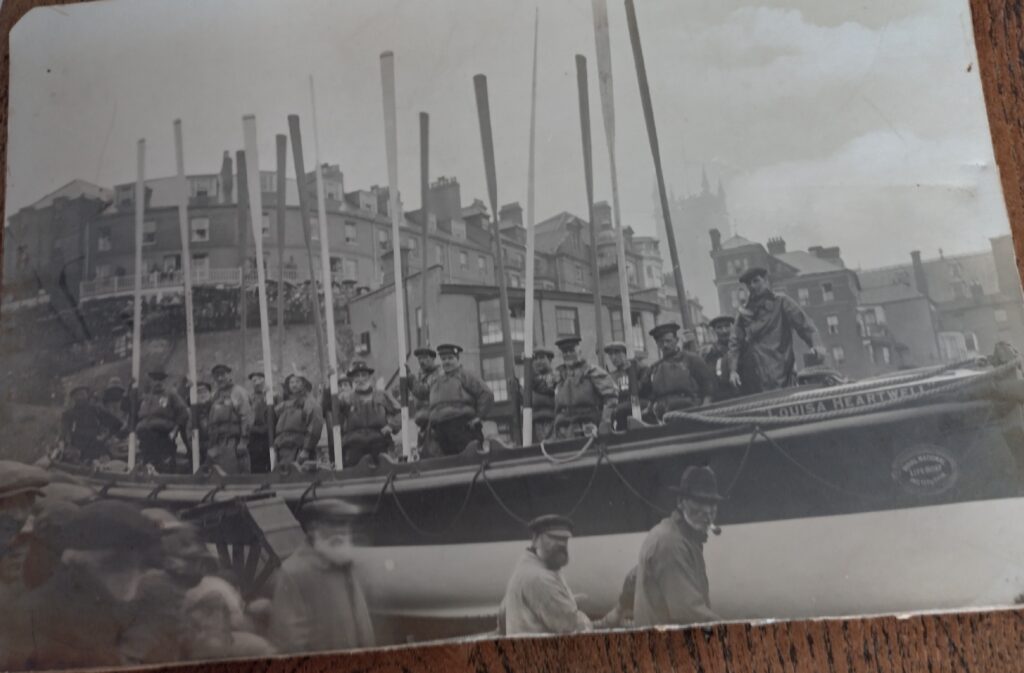
In recognition of their “seamanship, unwavering courage, tenacity and physical endurance” displayed by them that night the whole crew was honoured by the RNLI.
A gold medal was awarded to Coxswain Henry George Blogg, silver medals to William Davies and Private Stewart Holmes, and bronze medals to crew members George Allen, James Allen, Edward Allen, William Allen, Henry Balls, Charles Cox, George Cox, Leslie Harrison, Tom Kirby, Gilbert Mayers, Walter Rix, and William Rix. These were the first ever bronze medals for bravery ever awarded. William’s bronze medal is held by the RNLI museum in Cromer.
It was very unusual for an entire crew to be awarded medals but the 14-hour rescue, in gale force conditions in an oar powered boat with the average age of the crew being 50 and two over 70 was outstanding.
William retired in 1933 and came to live in the Nest in Warren Road Lower Street with his wife Elizabeth. He died there in 1945 at the age of 86. Elizabeth died three years later in 1948. His daughter Laura married Fred Knights of Garden Farm. His family still live and work in Lower Street. With thanks to his great grand-daughter Nancy for her help in compiling this page.
The Louisa Heartwell is in the RNLI collection at Chatham.